In Rome, the price of repentance is high. The stones are hard, the hours are long, and the wages are low.


In Rome, the price of repentance is high. The stones are hard, the hours are long, and the wages are low.

“What was it like,” I asked him, “apartheid?”
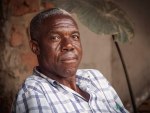
Joseph. Our driver. He was a large, jolly man in his fifties. He had dark chocolate skin with curly, salt and pepper hair. He looked at me and the smile lines around his eyes wrinkled.
He laughed.

Not just a chuckle. Joseph burst into a full belly laugh. He had lived through it. He was 33 when Apartheid ended.
“You would not believe me if I told you,” Joseph said. “My children do not believe me when I tell them.”
At first, I didn’t understand why he was laughing. I didn’t understand how he could laugh. It wasn’t funny.
“Tell me.”
“No.”
I pressed him.
“It was horrible. No freedom. No jobs. We had no hope.”

He drove us to a township just outside of Johannesburg.
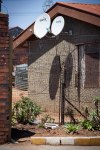
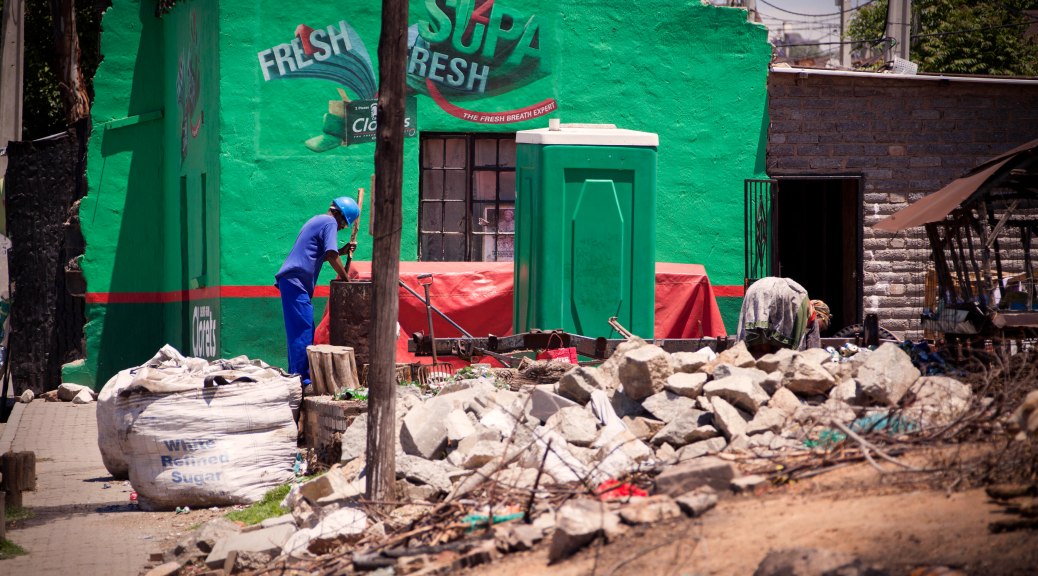
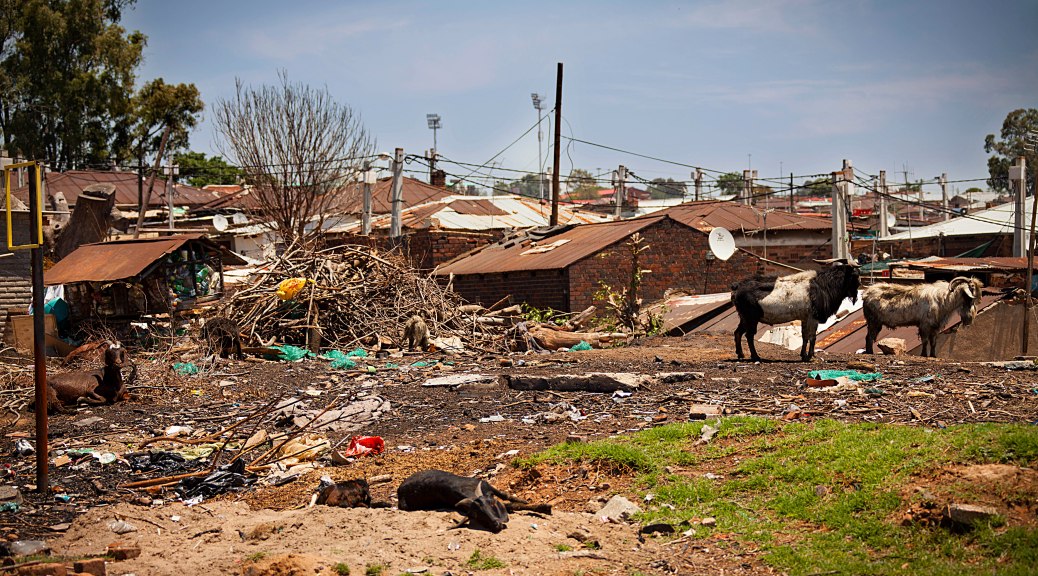
“Three-thousand people live here,” he said. “They have no running water. They have no electricity. They share three water taps. They share 20 portable toilets.”
He introduced me to the people. They were quick to smile, but their eyes were guarded, skeptical. I couldn’t understand their words. Joseph translated.
Who is this white face with a camera?

Why does he take our picture?
Joseph told them I was there to tell their story. I was. They were glad. They were friendly. They wanted me to understand. They wanted others to know of their struggle. For them, Apartheid was not over.
I was stunned. They had so little.
“Why?”

“Get in the car.” Joseph said it was time to go. It was no longer safe.
I got in the car.
Joseph did not laugh.
“Apartheid ended in 1994. Those were difficult times. I lost my best friend to a gunshot. I cannot describe…I will not describe those days. We did not know if we would live or die. We had no hope.”
“But, Apartheid has been over for 27 years.”
“These people believe the government will take care of them. They think the government will educate them.”
“Will they?”
Joseph laughed. “They say apartheid is over. It is not. But at least now we have hope.”
Having recently visited South Africa, I was reflecting on my experiences there in light of Nelson Mandela’s passing. A courageous, inspiring leader, he had an influence on a people, a country and a world. As I met the people, talked with them, broke bread with them, photographed them, Nelson Mandela had an influence on me. I came to admire his commitment to moral principles which elevate the human condition. I found, in Johannesburg, a complex and complicated city with contrasts not entirely in keeping with Nelson Mandela’s vision for how things ought to be. In other parts of the country these contrasts were even more apparent. Things are not how they should be. Yet, I also saw hope, commitment, energy and progress. I’m sure Nelson Mandela didn’t accomplish all he hoped to accomplish in his long and influential life. Yet, his vision took root. His commitment and perseverance inspired others. Nelson Mandela made a difference. South Africa made a significant impression on me well beyond the images I took.




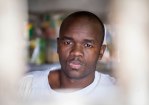






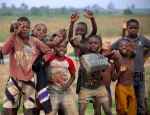
They say Africa changes you. If you’ve been to Africa, spent time there, visited the people, you will understand. I’ve been to Africa four times. This was my first time in Lubumbashi. I was surprised. My own stereotypes were both reinforced and shattered. In Lubumbashi, a fragile peace hung over the city as oppressive as the heat and humidity, infusing a cultural angst almost as heavy . I was the outsider. I was different. The children called me “Muzungu”, white face, not a compliment. They smiled and laughed, not with me. My camera lens brought them running, surrounding me, dancing, playing and posing. In their eyes I saw joy, and innocence. The adults looked on, skeptical, questioning, challenging. Their eyes were reserved, hooded, holding back, keeping their stories from me. Many turned away. Some shouted insults. Those that did not were watching to see what I would do with their likeness. I took their pictures. I took them with me. I took them in, a part of me. I will not forget. In their African eyes I will never be the same.
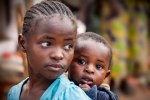
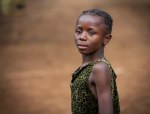


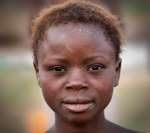


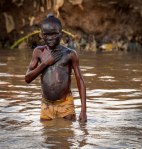


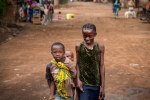


From a distance, Alex looks interesting. The closer you get, the harder it is to see. It can be beautiful, in a flowering African Thorn Bush kind of way. The flowers are pretty–sort of. The thorns can do some real damage. Among the thorns in Alex, there is an energy, growing, changing. In spite of the harshness of conditions, there was a softness in the faces of people. Not all were willing to let me take their picture. Some approached with angry words. Others turned away or hid. But, for those who stood their ground or gave permission, I could see a light, hard light perhaps, in their eyes. The noon-day sun did not make for the best photographs. However, in the hard light of the noon-day sun, when I put on my sunglasses, I could see hope.


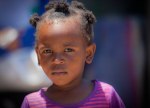




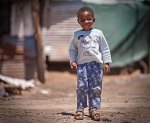


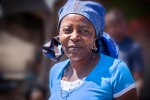


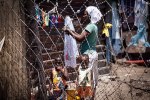
It was noon and the sun was directly overhead. Hot. And Humid. There wasn’t a cloud in the sky. The hard light cast hard shadows. Appropriate–in Alex, life is hard. One of the poorest urban areas in South Africa, Alexandra Township is part of Johannesburg and is home to nearly 200,000 souls. Many do not have running water, or proper sanitation. Many live in informal shacks made of corrugated metal or cinderblock brick. Unemployment is high. Drugs are rampant and gangs compete with law for control. When I entered Alex to take pictures, I stood out dramatically–white on black, with hard shadows. The harsh light was not what I would have chosen for good pictures. Nevertheless, the time of day was a metaphor for life in Alex–harsh and hard. In this post I wanted to show some of the conditions inside. Partial understanding comes through knowing. Tomorrow I’ll show their faces.

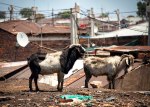


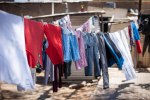


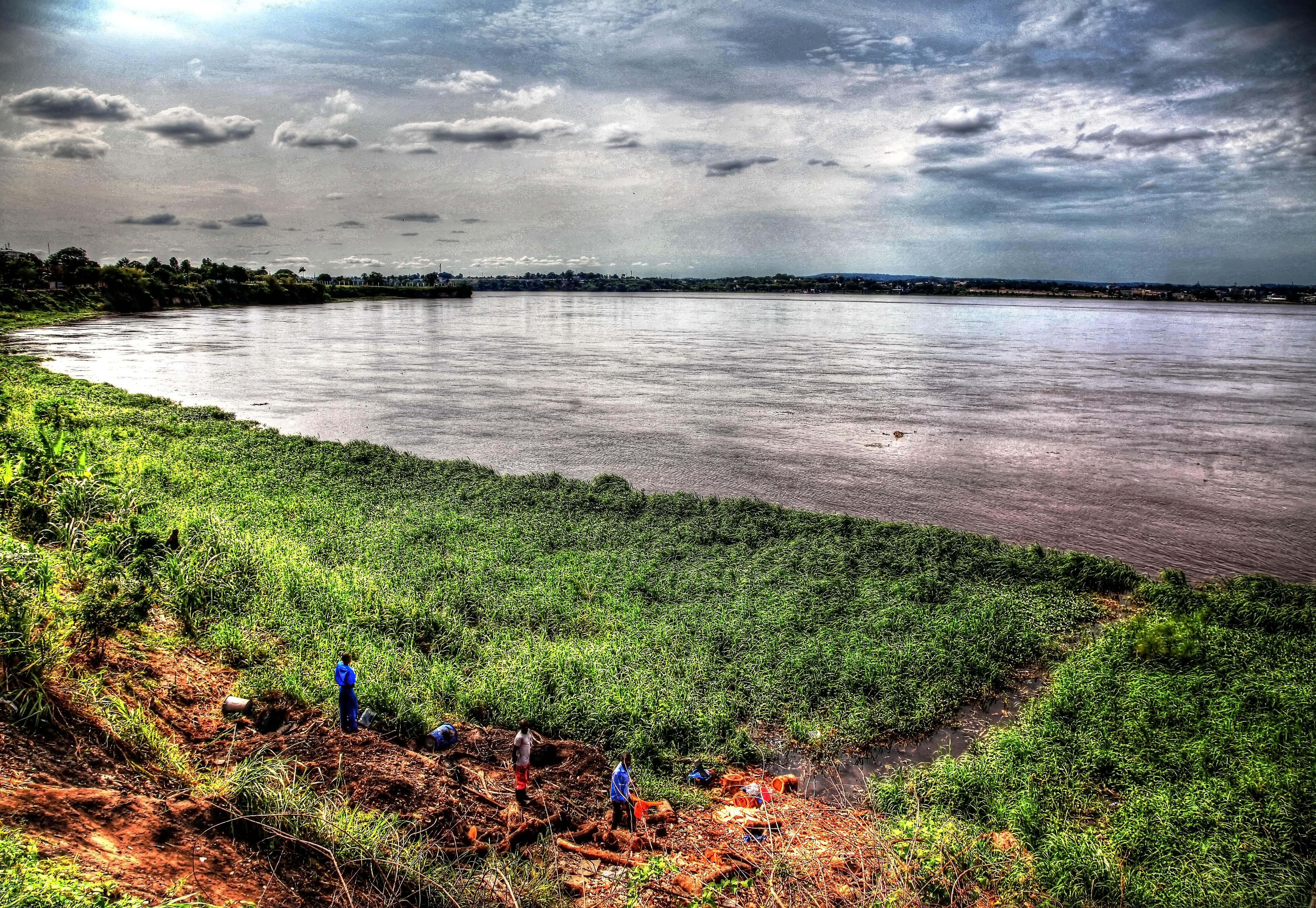
The heat was oppressive. The air was heavy, barely breathable for one not used to the nearly 100% humidity. I was given 5 minutes to take pictures on the banks of the Congo River, in Kinshasa, Democratic Republic of Congo. The Policeman who accompanied me, told me where I could point my camera. If he listened closely, he could hear the shutter click. After three clicks I had to move on.
About a half-hour drive outside of Lubumbashi, Democratic Republic of the Congo, is a little village called Bande. They grow avocados and fruit and sell them by the roadside to survive. We stopped for a visit. The children immediately surrounded us. They spoke Swahili and French. I spoke neither. With help, we asked the village Elder for permission to take this photo. He smiled and nodded agreement. I thought, for a moment, that the one woman in the shot was the mother. Not so. She is the older sister. The women of the village would not come out of their termite-clay-brick huts. The three men in the shot were the older brother, the uncle and the neighbor. The Elder also would not be in the shot. He was standing beside me looking at my view finder. With a small purchase, you can make friends for life in Bande Village.

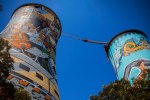
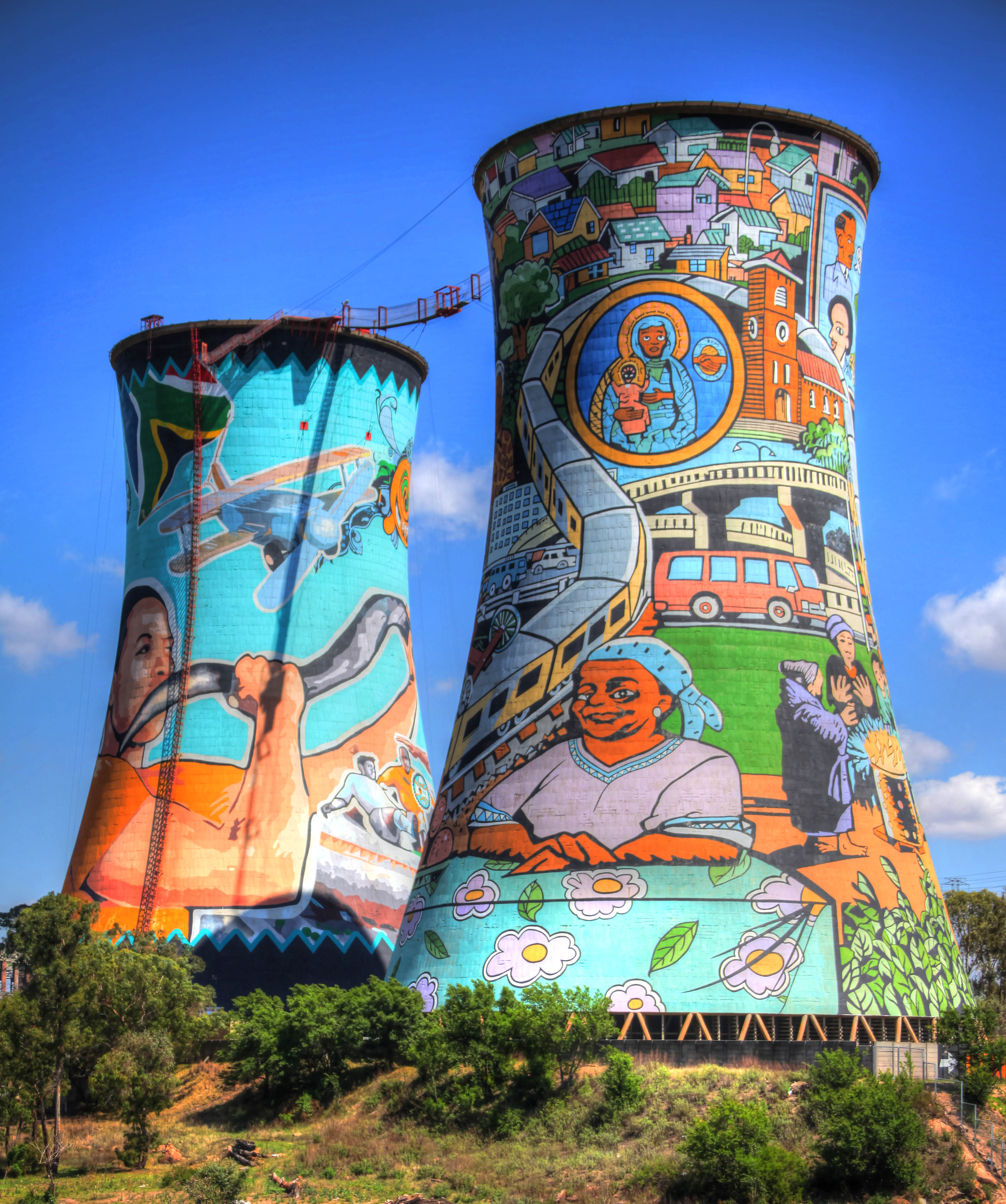
Built in 1951 as part of the Orland Power Station serving Johannesburg, South Africa from the South West Township of Soweto, the Soweto Towers have become one of the most recognizable landmarks in the world. The power plant was decommissioned in 1998 after 56 years of service. Now, the towers are used for art, and advertising. One tower serves as a giant billboard. The other tower contains the largest mural painting in South Africa. But, even cooler than the art, is the action. You can bungee jump or base jump from a platform bridge between the Two Towers.
It was late afternoon and the sun was setting in the Democratic Republic of Congo. We stopped briefly at Lubumbashi River and were immediately surrounded by children. They posed for our pictures and asked us for money. They played and sang and danced. It was joyful and fun. This young boy was in the middle of a rather thorough mud bath when we arrived. I’m not sure what the optimum amount of time for a proper exfoliating mud bath is, but this boy seems to have it figured out. If you want smooth skin, come to the DRC and stop by Lubumbashi River just about any afternoon. Someone will surely teach you the secrets of smooth, smooth skin.





 They're Calling To Me