

A cold October sunrise on Utah lake substitutes for the Sea of Galilee in a series of films I’m directing on the life of Christ.

A cold October sunrise on Utah lake substitutes for the Sea of Galilee in a series of films I’m directing on the life of Christ.
The Range Rover bounced through the trees like the Indiana Jones ride at Disneyland, then, mercifully, stopped. Our guide shut off the engine. I could hear the ticking of hot stressed metal. My body was just as stressed. I may have developed a tick.
Over there.
I could see him, hiding, a giant bull elephant, trying, it seemed to me, to be inconspicuous.
I began taking photographs. Through the lens, the elephant looked annoyed. With crunching footsteps, he lumbered out of the trees into the open, staring at us. We stared back at him. He came closer. Closer. CLOSER. I reached for a wider lens.
Hold very still, our guide whispered. He reached for his rifle.
The giant elephant stopped, three feet away. I could hear him panting. Snorting. I could SMELL him. VERY BAD BREATH.
From my open seat in the Range Rover, he was massive. His tusks were stained red near the sharpened points. He looked down at me with huge, tired eyes.
What are you doing here?
I came to see you.
He sniffed, his snake-like trunk sampling the air around me. His giant eyes blinked. I could see myself reflected in their rich, deep brown. He looked…sad, maybe. Resignedly tolerant, perhaps. Proud, certainly.
He moved on.
I realized that the pounding I could hear was my heart, not his footsteps.
Our guide put down his gun and started the Range Rover. The roar of the engine shattered the quiet surrounding us and we moved on.


First of all let me say, I don’t drink wine. I don’t drink alcohol. However, I do love grape juice.
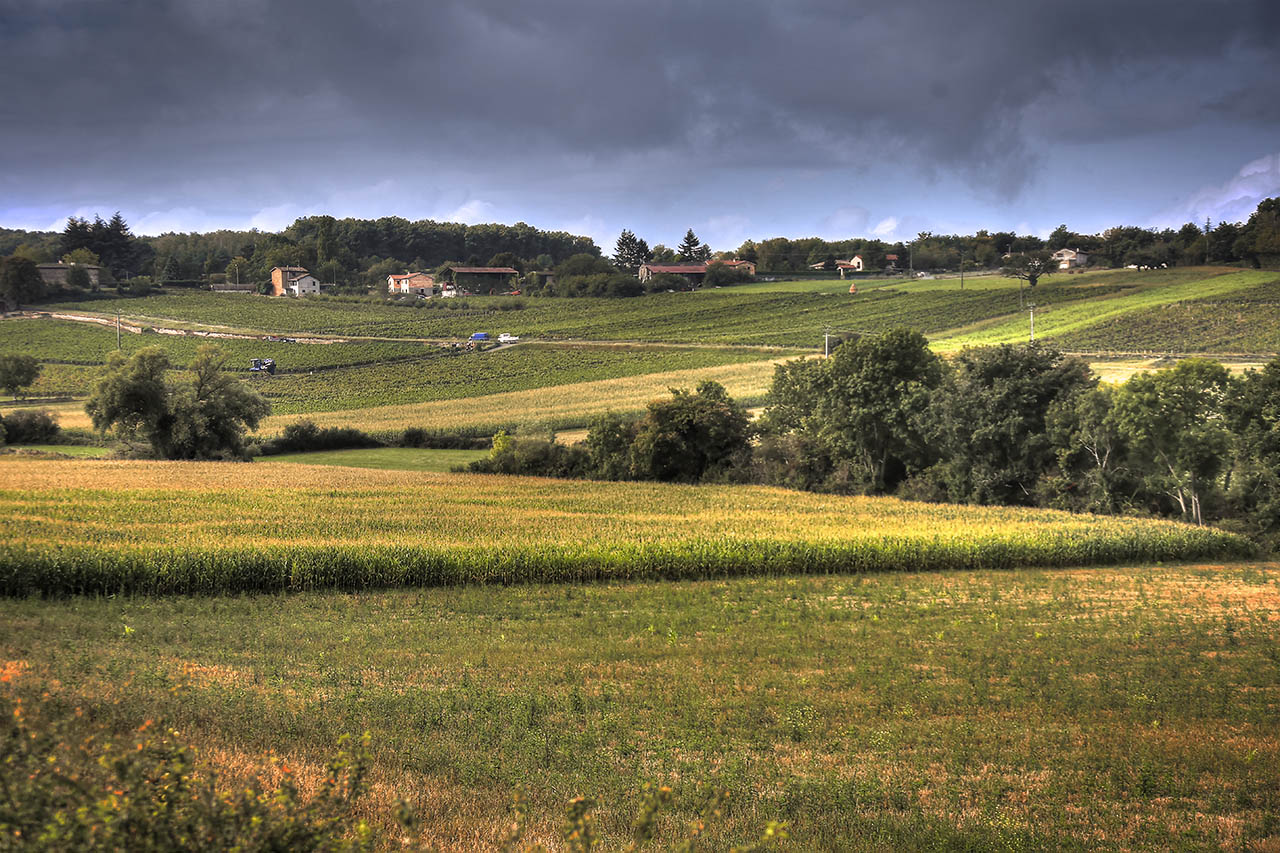 On assignment, I was staying in a bed and breakfast in Marcy en Beaujolias, a tiny village in French wine country, not far from Lyon, France. Not wanting to miss out on seeing the country side, I went for a walk early one morning. I only had an hour before I had to leave, so, as usual, I was in a hurry.
 The morning was beautiful. The late September sun was casting long morning shadows on stone walls and stone balconies built in the twelfth century. I was transported in time. As I walked, I quickly ran out of village and found myself in the midst of a gorgeous, hilly vineyard countryside.
  The grape harvest was in progress.
 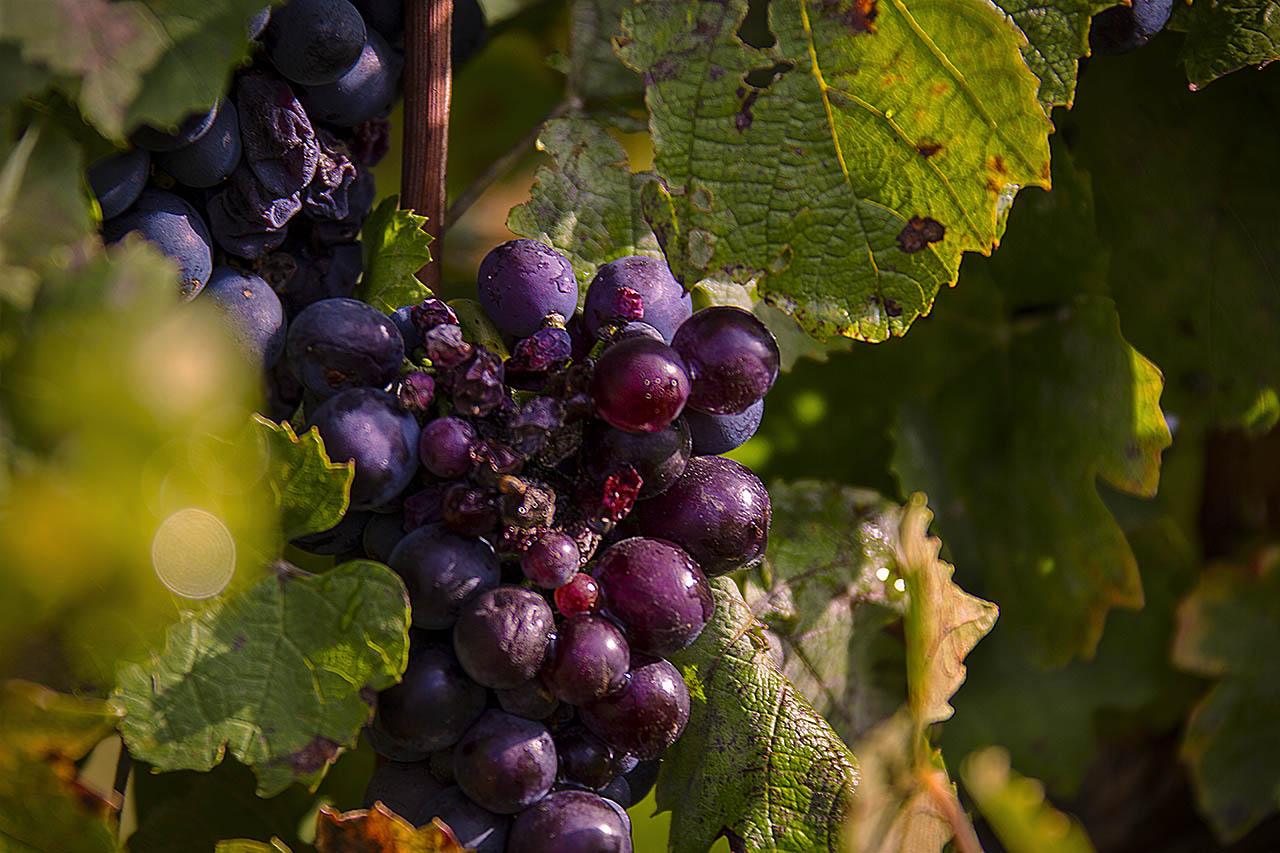 The vines were heavy with rich, red grapes, dripping with morning dew. Some of the leaves on the vines were changing from brilliant green to autumn red, indicating the close of another season.
 An old man, carrying a bucket hand picked and tested the grapes, while a modern, somewhat out of place, harvester, striped the rows of luscious fruit.
On the harvester, another man sorted grapes and plucked the leaves from the harvest, in preparation for processing. The scene was magical, beautiful. I lost track of time as I walked a narrow lane through the vineyard. 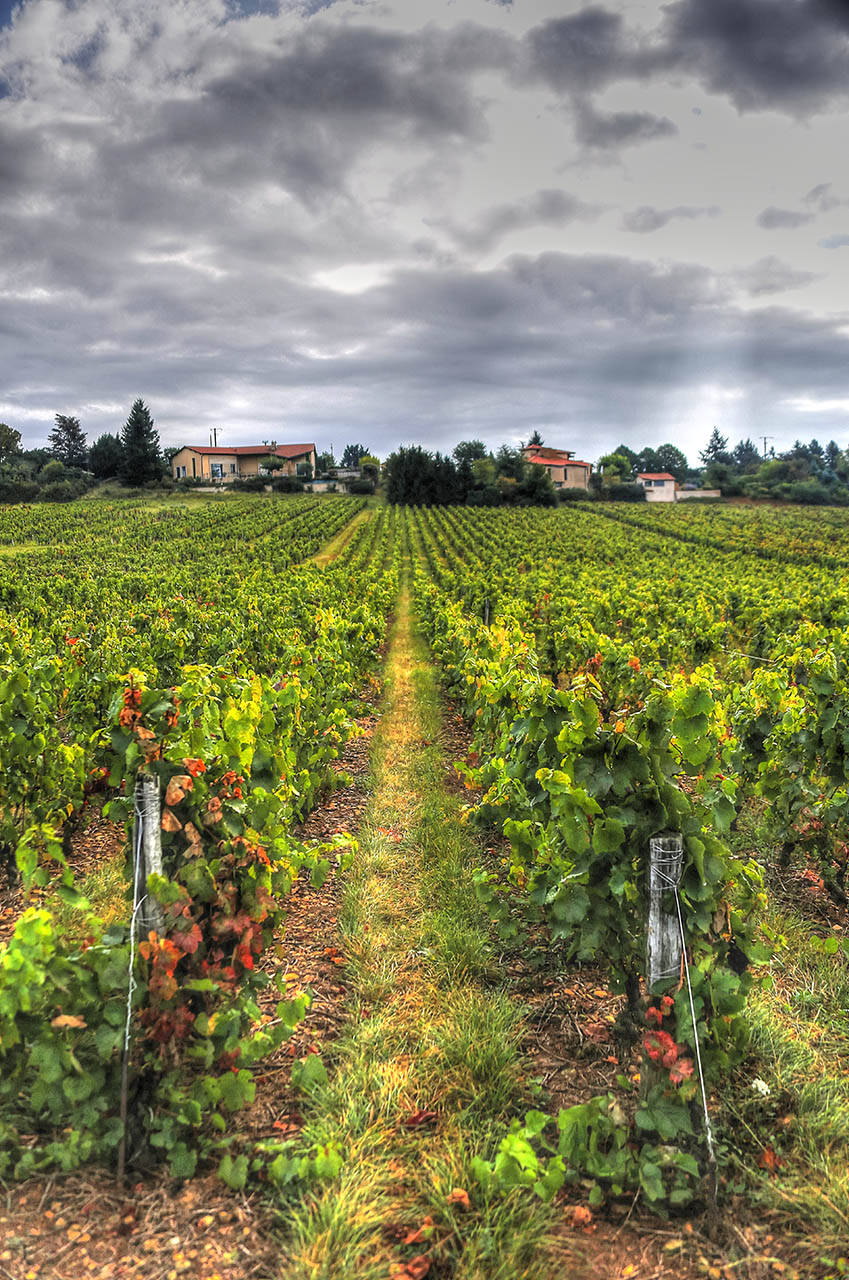 As I walked, a truck filled with grapes pulled up next to me. An old man beckoned me to “come, come.” I approached him and he motioned for me to get in the truck. He spoke as much English as I spoke French, next to nothing. The old man’s face was lined with wrinkles, leathered over the course of many seasons in the sun. His hair was gray. His beard was gray. His eyes twinkled. I climbed in the truck. He smiled as we drove through the vineyard. He would point to things as he talked. I enjoyed the view and the lilting sound of his voice, but I had no idea what he was saying.
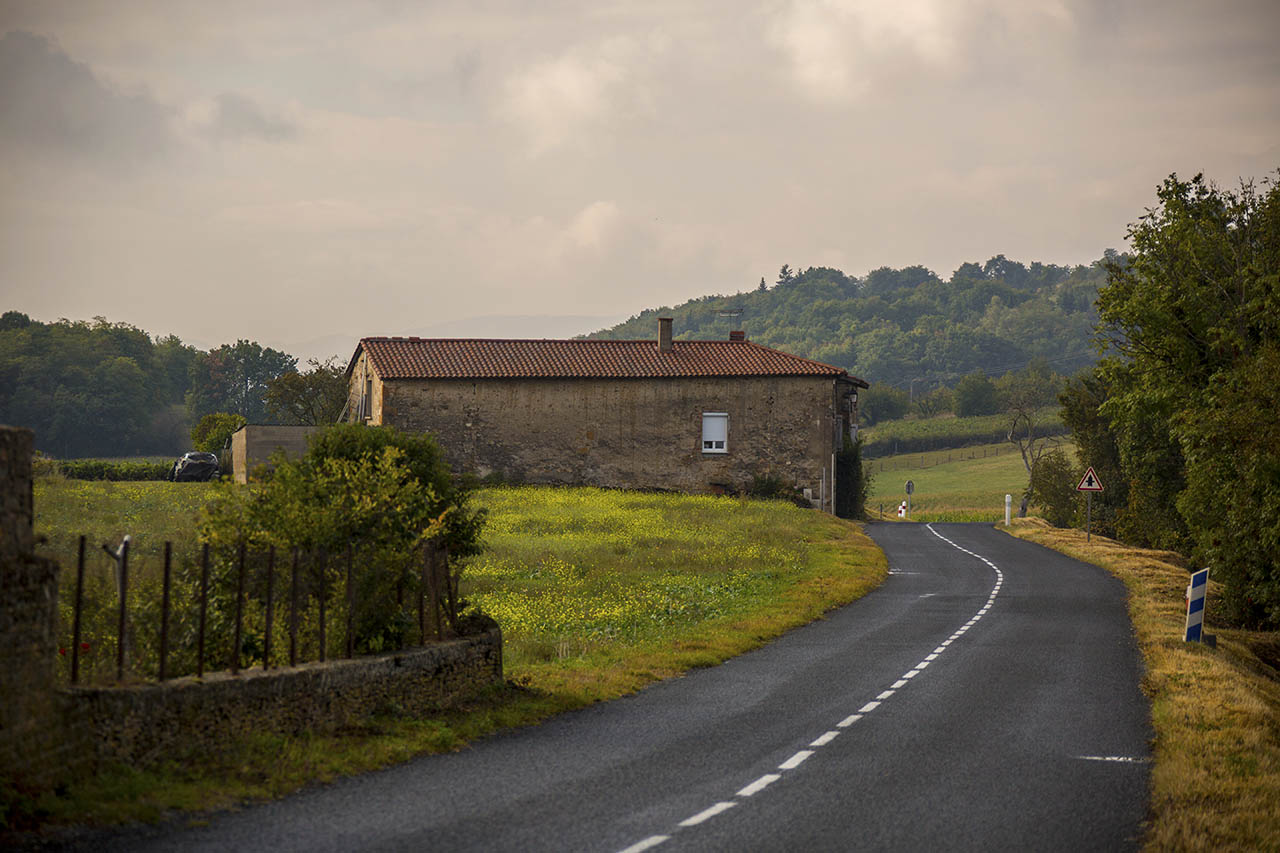 After about fifteen minutes, he backed into an ancient stone building. We got out of the truck as the old man pointed out important parts of his winery, talking non-stop.
  Another man, younger, shorter, but just as weathered, joined us with a smile. The younger man held a pitchfork in his hands. They pressed a lever and the bed of the truck rose, dumping grapes and juice into a vat below the truck. As the younger man forked the grapes from the truck the older man pointed out a large vat with a spinning mixer, turning and mashing grapes.
 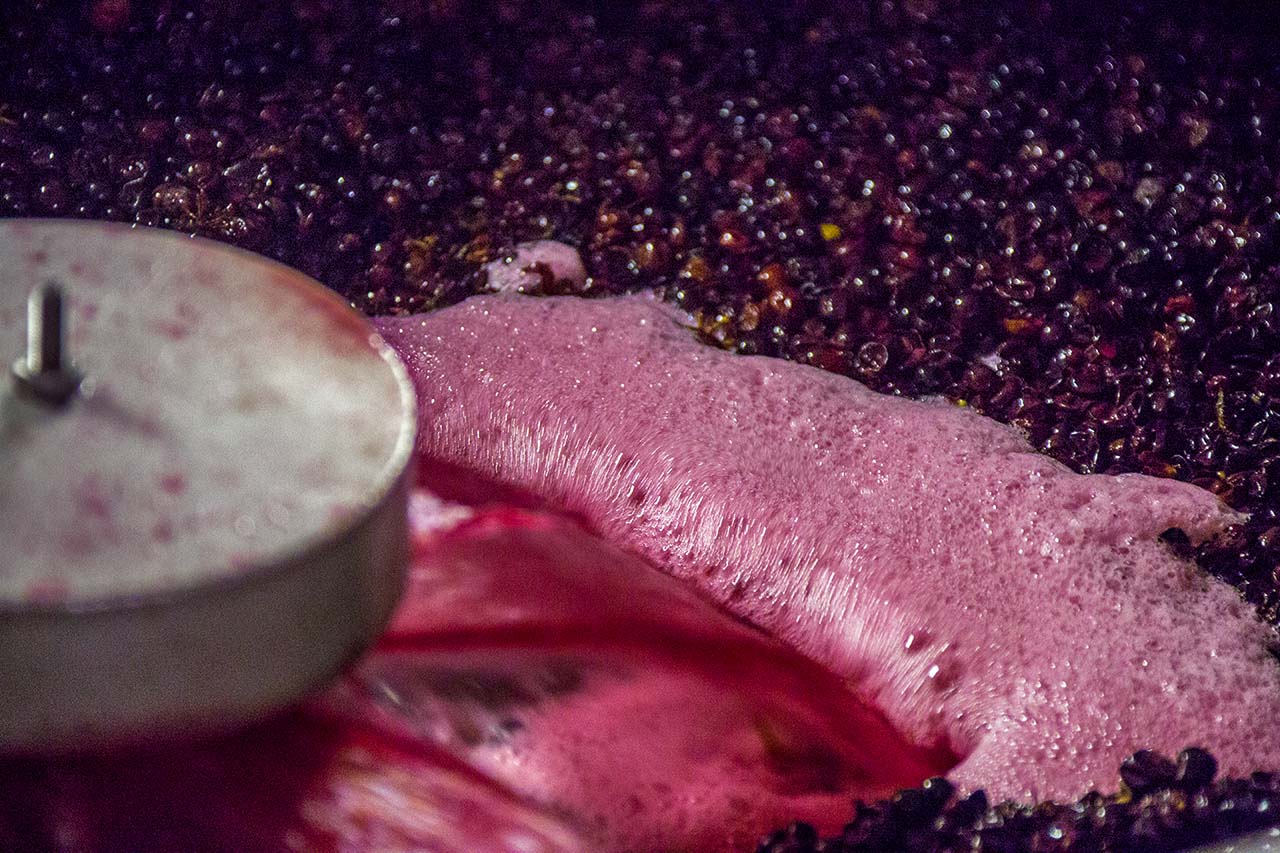 The rich fragrance of grape juice was intoxicating. I could tastes the juice in the air it was so think and delicious.
As I took pictures, the old man motioned me to follow. We went down a stone staircase into darkness. He flipped a switch and I was surrounded by gigantic wooden wine barrels.  I think he was telling me that this was where they aged the wine. We went further underground into a wine cellar with an arched stone roof. Here, he showcased the Beaujolais wine he was so proud of.
After looking around, he led me back up the stone steps into the light. The truck was empty, time for another load. We got back in the truck and he drove me back to the village.
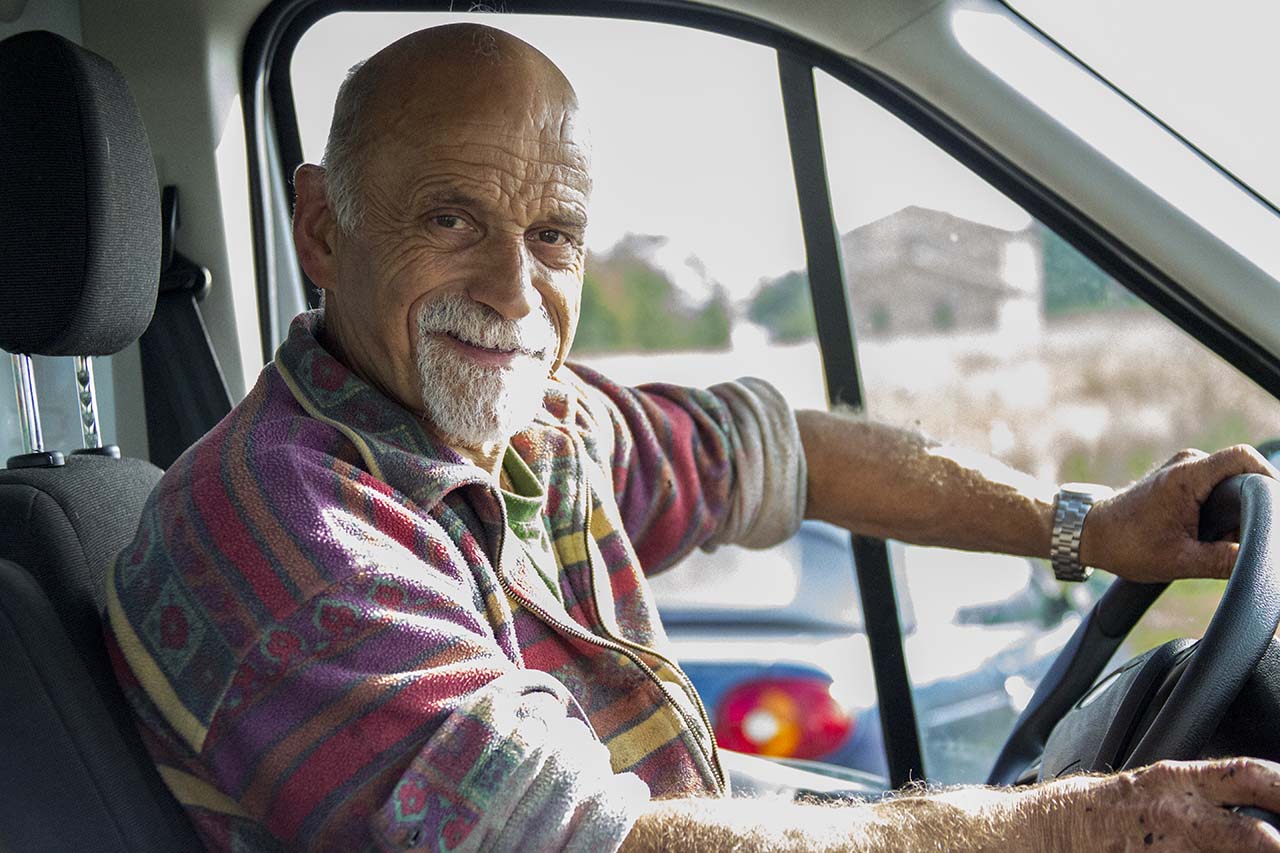 Before I left the truck, I asked his name. “Pierre”, he said, “Peter, in English.” We shook hands and I climbed out of the truck. Pierre drove away with a smile.
 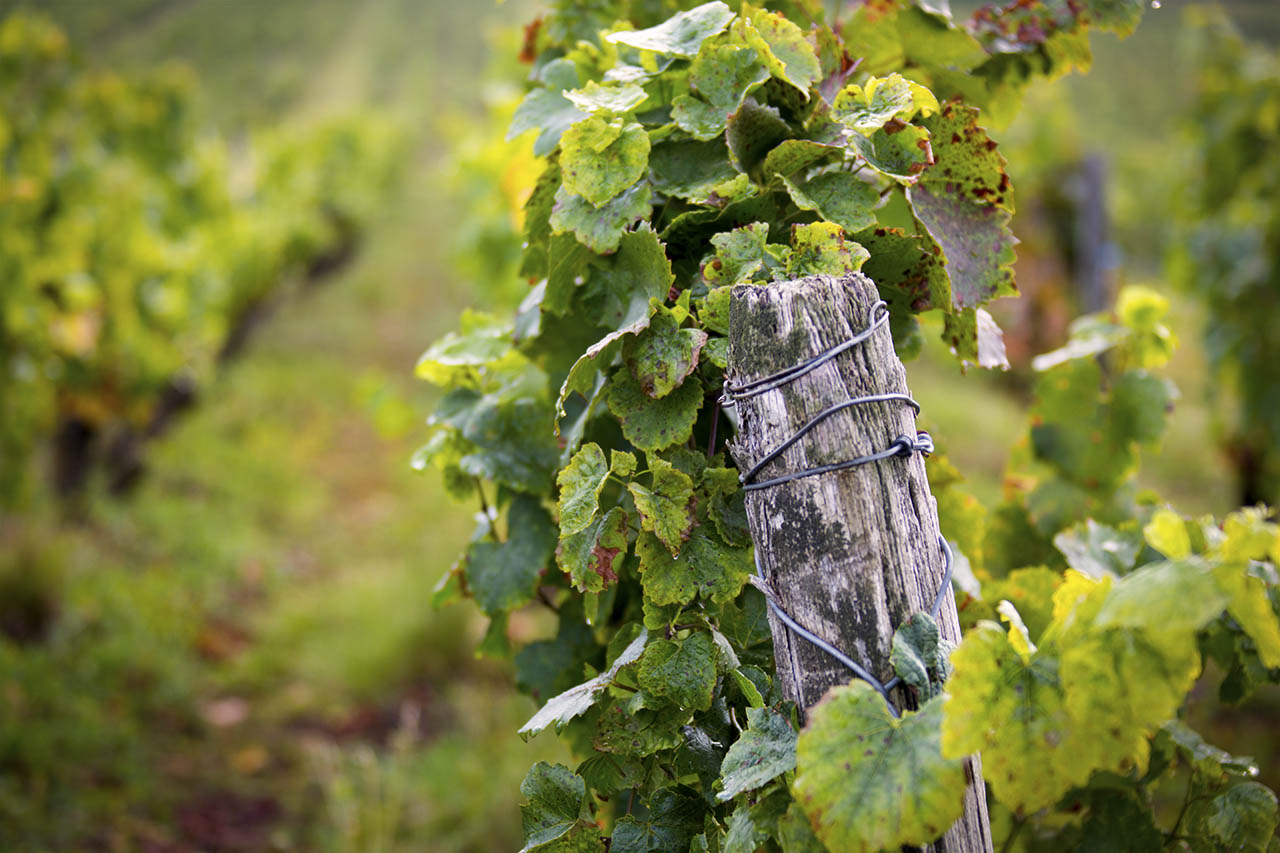 I stood there, basking in the morning sun amidst the fragrant vineyard of a magical valley deep in the heart of France. I marveled at the unexpected adventure I had just experienced. Pierre, like his father before him, and his father’s father’s father before them, has been making wine his entire life.
 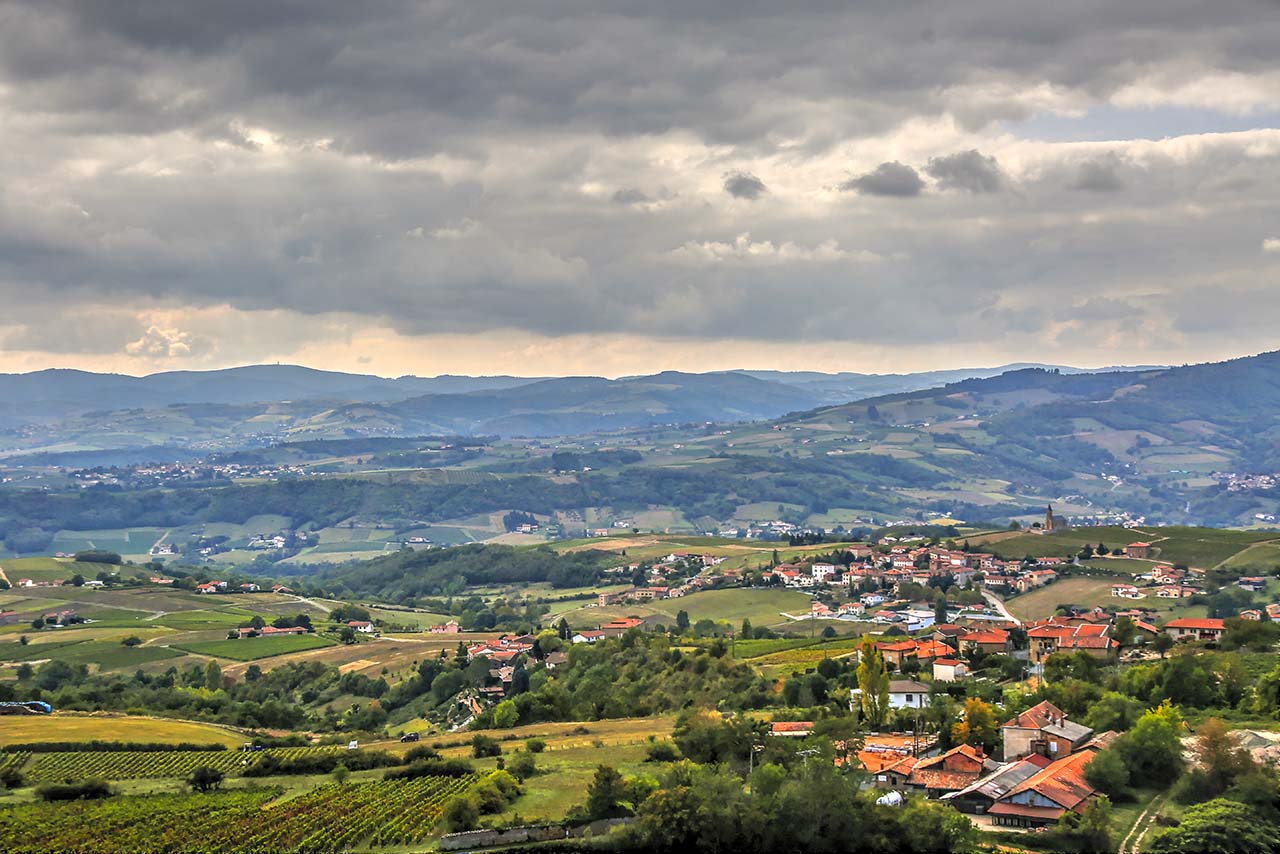 On this day, perhaps unremarkable for him, yet most remarkable for me, Pierre offered a magical glimpse into a tradition that crossed the ages, jumped the stone fences and bridged our cultures through kindness. I will not forget his friendship.
So, if you happen to be in Marcy en Beaujolais on a sunny morning during grape harvest season, be sure to take a walk through the vineyards. Look for a gray-haired man with a twinkle in his eye. While I don’t drink wine, I can, wholeheartedly recommend the grape juice. And, I can say from first-hand experience, there is still magic in the world and kindness without fear.


People say it rains all the time in Seattle. People say that the citizens of Seattle have web feet. People say that the only time the sun shines in Seattle is the last week of July or the first week of August, but, you can’t really count on it.
I’ve heard people say these things. I grew up in Seattle. The question is, are they true?
Maybe. Mostly.
I can say that I don’t have web feet. However, I don’t live in Seattle anymore. And, I can’t verify that those who do don’t have web feet. I visited Seattle this summer and it didn’t rain everyday. It wasn’t July or August so I really didn’t expect to see the sun. I was just hoping.
Research shows that it does rain a lot in Seattle, but, not as much as most people think. Seattle receives about 38 inches of rain each year and is 44th on the most rainiest cities chart, coming in behind Houston, New Orleans, New York, Boston, and many other more rainy cities in the United States.
Research also finds that it is cloudy a lot in Seattle; cloudier than other cities that get more rain. But, when the sun does shine in Seattle, it is the most beautiful sunshine, the most beautiful scenery, and the most brilliant color of any city in the world. That is one, but only one, of the reasons I come back to Seattle, and bring my family with me. Somewhere over the rainbow may actually be in Oz, but, people say that Seattle is the Emerald City. I can say I believe that is mostly true.
Here are some shots of the city, in HDR, to make up for the lack of contrast and color that happens when the sun never shines and it rains all the time 🙂


In the late summer of 1976 my senior year of high school was approaching. I was competing for the starting quarterback spot on the football team. We had a brand new coach who didn’t know any of us, what we’d done or what we could do. Two-a-days hadn’t started yet. I was out mowing the lawn when he called. My Mom waved me in the house.
“Hey,” he said. “Want to go watch the Husky scrimmage?”
I’d grown up listening to Husky games on the radio. I’d never been to a game. Never been on the campus. I had two college teams I followed, University of Washington and BYU.
“Sure. Absolutely.”
“I’ll pick you up in an hour.”
I don’t really remember all that much about the scrimmage. I do remember Husky Stadium. They played on astroturf. Cool. I remember the coach talking to me about college, where I wanted to go, what I wanted to do, did I want to play college ball. I knew, then, that I wasn’t going to play football; although, I had the presence of mind not to tell the coach.
I eventually won the starting quarterback spot. I respected the coach; although, learning a new system meant we were in a “transition” year. That translated to our record. We didn’t do very well.
I went to college at BYU and never went back to the University of Washington campus, until this summer–38 years later.
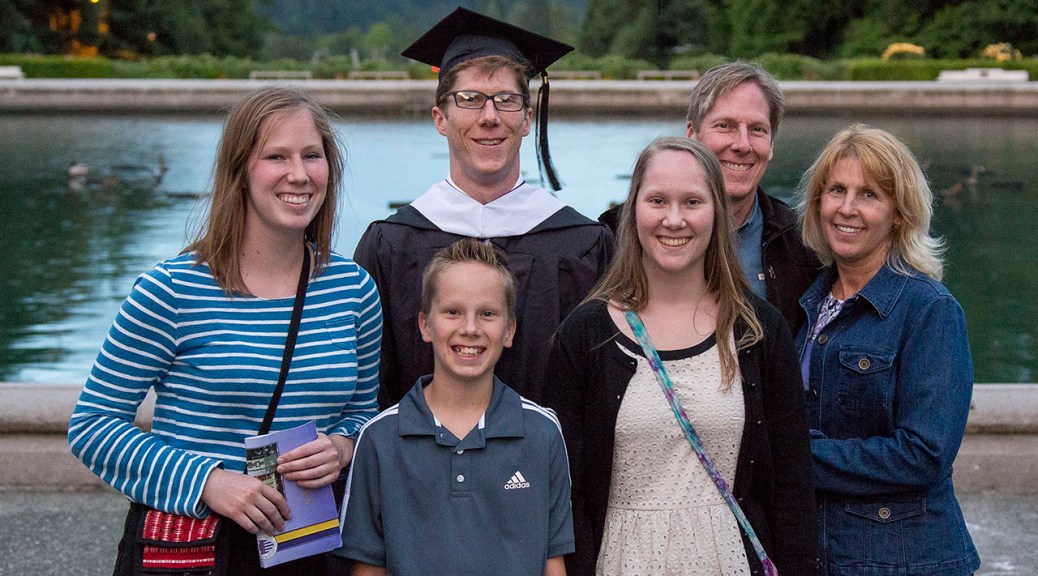
My son, Ryan, graduated from the University of Washington, with a Masters Degree–two Masters Degrees, in fact. His graduation brought me back, back to Seattle, back to a campus I hadn’t been to in a very long time, back to 1976–the summer before my senior year in High School.
In truth, I had been back to Seattle. Although I moved away, my parents lived there during the early years of my married life. I brought my young children, Ryan included, to visit in the summers. I think that is one of the reasons Ryan chose UW for his graduate degrees.
Now, I was back. And, I really didn’t know very much about the campus, or the school. Things had changed, a lot, in 38 years. Although, the stadium was still there, under renovation construction.
As we walked the campus, Ryan taught us about the school I did not choose yet admired and still follow. The visit reinforced my love of education and respect for those who inspire and instill in others a desire for it. And, as a proud parent, I basked in the glow of my son’s achievements :). He is a good, kind, intelligent and accomplished man who has blessed my life. He will be an asset to the organization smart enough to employ him. And, the campus will draw him back, as it did with me.
And, I took a few pictures.


I sat on the balcony of a nice restaurant having dinner with a Doctor and his wife who were serving a medical mission in Sierra Leone. A large orange sun was slowly sinking into the cool blueness of Freetown bay, and, in spite of the heaviness in the tropical air, I felt a relaxing peace. The blaring horns and raucous city noise below us were quieting. If it wasn’t so hard to get there, I thought, this might be a nice place to come on vacation.
“Did you take your malaria meds?” the Doctor asked me.
I began to notice the tiny whine of mosquitoes joining us for dinner.
“I did. Yes. Of course.” I had to think back to whether or not really I did take my pill that morning. I thought so, yes, maybe.
“When we first arrived, we had over thirty cases of malaria each month, among the missionaries. Now, with better precautions and proper meds, that number is down to only four.”
My skin began to itch. I buttoned the collar of my shirt, even though I was sweating in the heat.
“We no longer allow the missionaries to hang their laundry outside to dry,” the Doctor continued, “because a certain type of fly they have here buries it’s larvae in the wet laundry. When you put your clothes on, the larvae buries into your skin. You develop a sore and then, two-weeks later, the flies come out.”
Gross.
I looked down. To be honest, I wasn’t even really sure what was on my plate. A few moments ago it had tasted okay, acceptable, good even. Now, I wasn’t hungry.
I looked up at the doctor. “Here,” he said, handing me a packet of pills. “Take these if you start to feel sick. They’ll help. Then, go to the doctor as soon as you get home.”
“Would you excuse me,” I said, “I think I’ll turn in early.”
He smiled. His wife smiled. I rushed from the table as the Doctor said something I couldn’t quite make out.
Later that night, after brushing my teeth with bottled water and taking another malaria pill, just to be sure, I turned out the light and climbed into bed, pulling the mosquito netting close around me. Closing my eyes, I heard it again, that unmistakable tiny whine. That’s when it came to me, what the Doctor had said as I left the table.
“There are many ways to die in Africa.”
As I slowly fell asleep, I was sure there were giant mosquitoes landing on the netting surrounding me. I vowed never to hang my laundry outside to dry. And, I thought that a staycation might be a good idea this year, just as soon as I got home–if I got home.


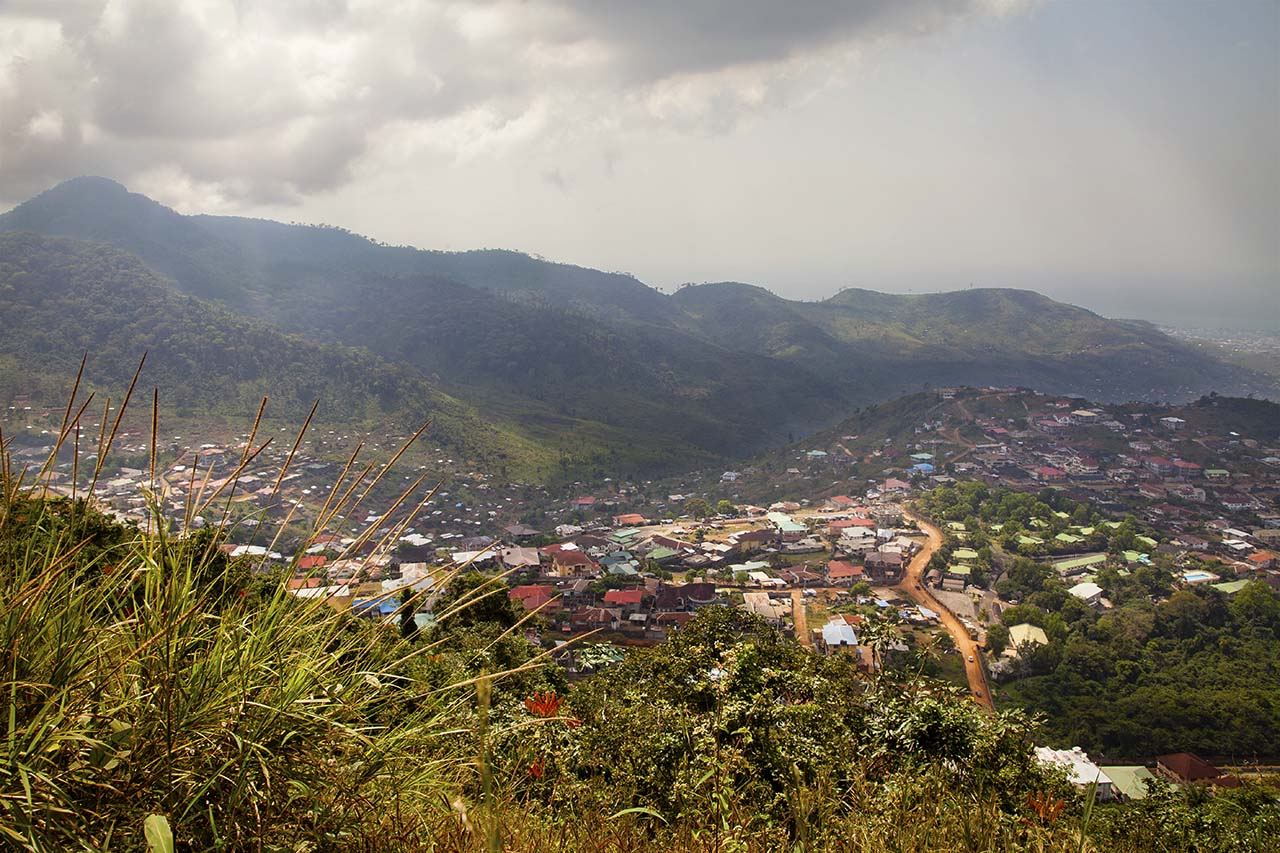 Sierra Leone means Lion Mountains. Legends say that when European explorers first arrived in Sierra Leone, they could hear thunder in the mountains and thought it was roaring lions.
In 1991 the roaring changed from thunder to rockets as civil war broke out in West Africa. The “blood diamond” war devastated Sierra Leone and killed over 50,000 of its people. The war ended in 2002 but the country is still recovering. The people still remember. The scars are very real.
Now, Sierra Leone faces another crisis.
Ebola.
According to the World Health Organization, this recent Ebola outbreak began in neighboring Guinea, and then spread to Liberia and Sierra Leone. The Associated Press reports that over 1,000 people have died in the outbreak, with Sierra Leone losing over 300 people to the deadly virus. Many more are infected. There is no cure. Two Westerners and one Spaniard have received treatment using an experimental drug and appear to be recovering; however, no one from Africa has yet to receive this treatment.
Fear, heartbreak and anger are growing. Neighboring countries are closing their borders. Quarantine and containment appear to be WHO and Government best practices.
I’ve been to Sierra Leone, twice. Recently. It is a beautiful country, with beautiful people. Yet, it is also a West African country. And, there are many ways to die in West Africa.
As I won’t be going back to Sierra Leone anytime soon, I share these pictures from my recent visits.
I offer prayers for the safety of my friends in Freetown along with prayers for the healing of the sick and the healing of the land.


Some say the world will end in fire,
some say in ice.
From what I’ve tasted of desire
I hold with those who favor fire.
Robert Frost
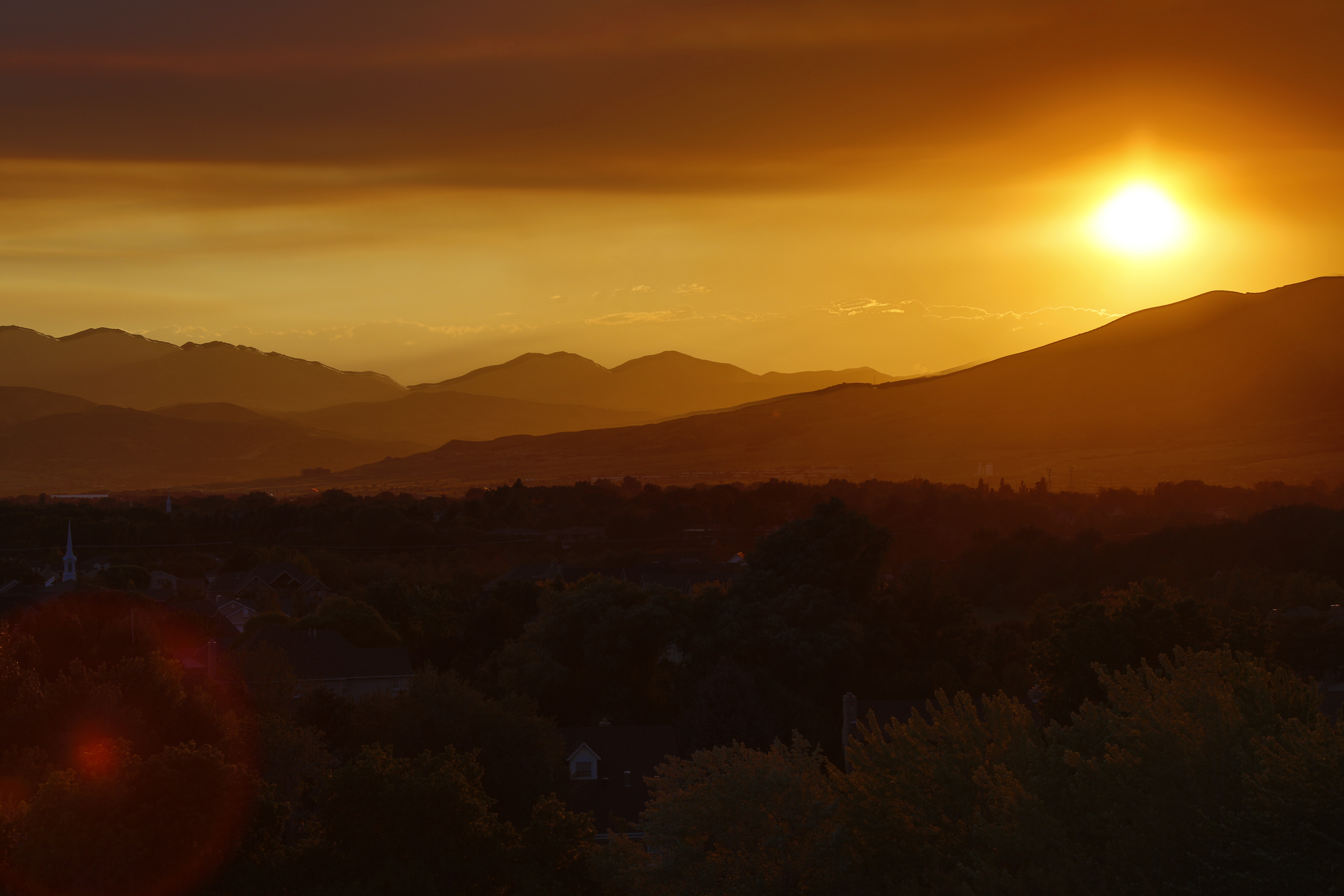 Drought conditions, high temperatures and low humidity contribute to apocalyptic sunset conditions in Utah County. On July 21, it felt like the end-times had arrived. While Robert Frost went on to suggest that ice would also suffice, the state with the Greatest Snow on Earth was and is far removed from ice-like conditions.
In 1989, Billy Joel intoned, We didn’t start the fire.
 In this case he may be wrong. It is entirely possible, excepting Mother Nature’s lightning strikes, that we did start the fire. According to Kate Galbraith of the New York Times on September 4, 2013,
Increasing incursions by humans into forests, coupled with altered forest ecology and climate change, will make fires bigger and more destructive, with implications for air quality as well as homes and infrastructure.
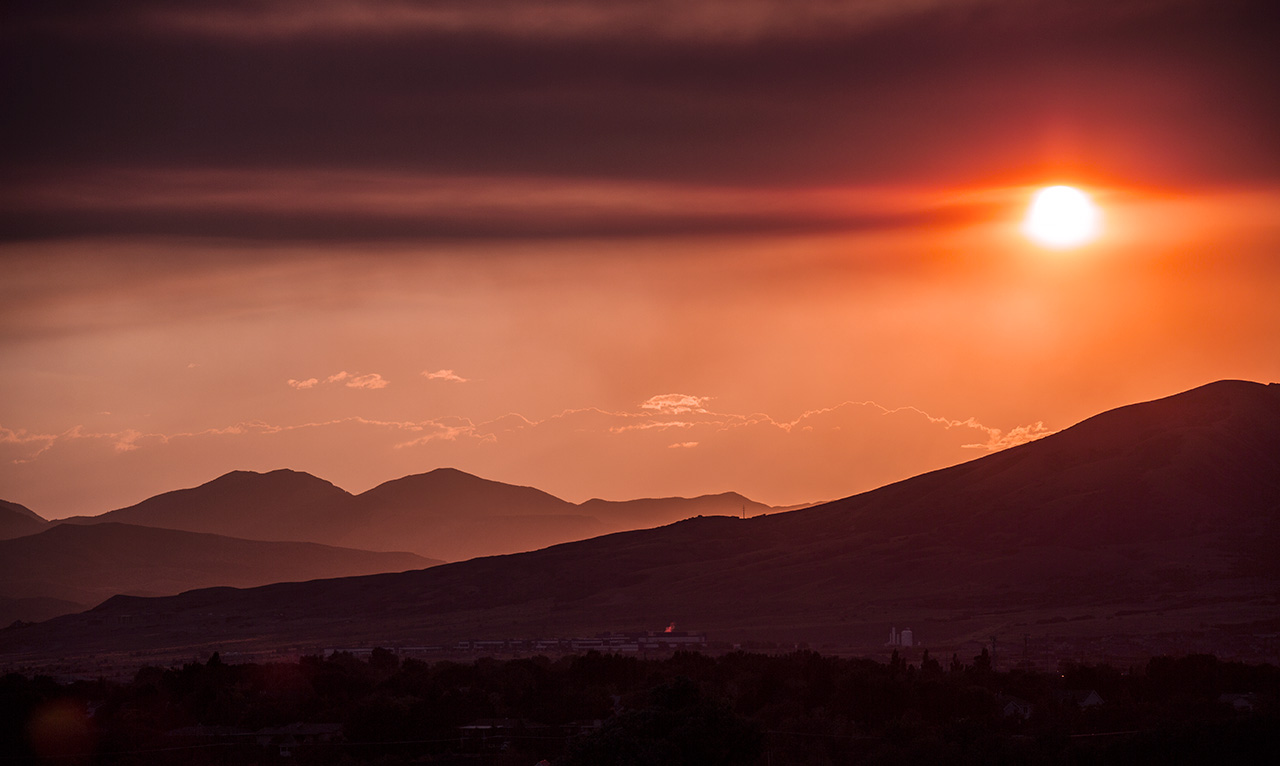 I can’t speak for the globe, although, in the last three years I have visited every continent. What I can say, is, IT IS HOT. And, I can say, along with Robert Frost, that I favor fire. I don’t mind the heat: although, when I see the sky, the sun, the clouds, changing to apocalyptic red, with smoke tendrils ominously reaching out, I’m chilled, the hair rises on the back of my neck, and I think, along with Frost, that ice…would suffice.
We didn’t start the fire
But when we are gone
It will still burn on and on and on and on
And on and on and on and on…
Billy Joel


After leaving Rockport harbor, on foot, I stopped to ask directions from an older couple out for a Saturday morning stroll.
“How do I get to Camden?”
“Oh,” they said, stretching out the word, “go that-a-way, for a mile or two. You’re bound to get there.”
Their accent was strong. Their faces were weathered in similar patterns. Their smiles were friendly. I believed them (although the distance thing was a little unclear).
I checked my watch. I still had two hours before I needed to catch my ride to Portland airport. So, I set off for Camden.
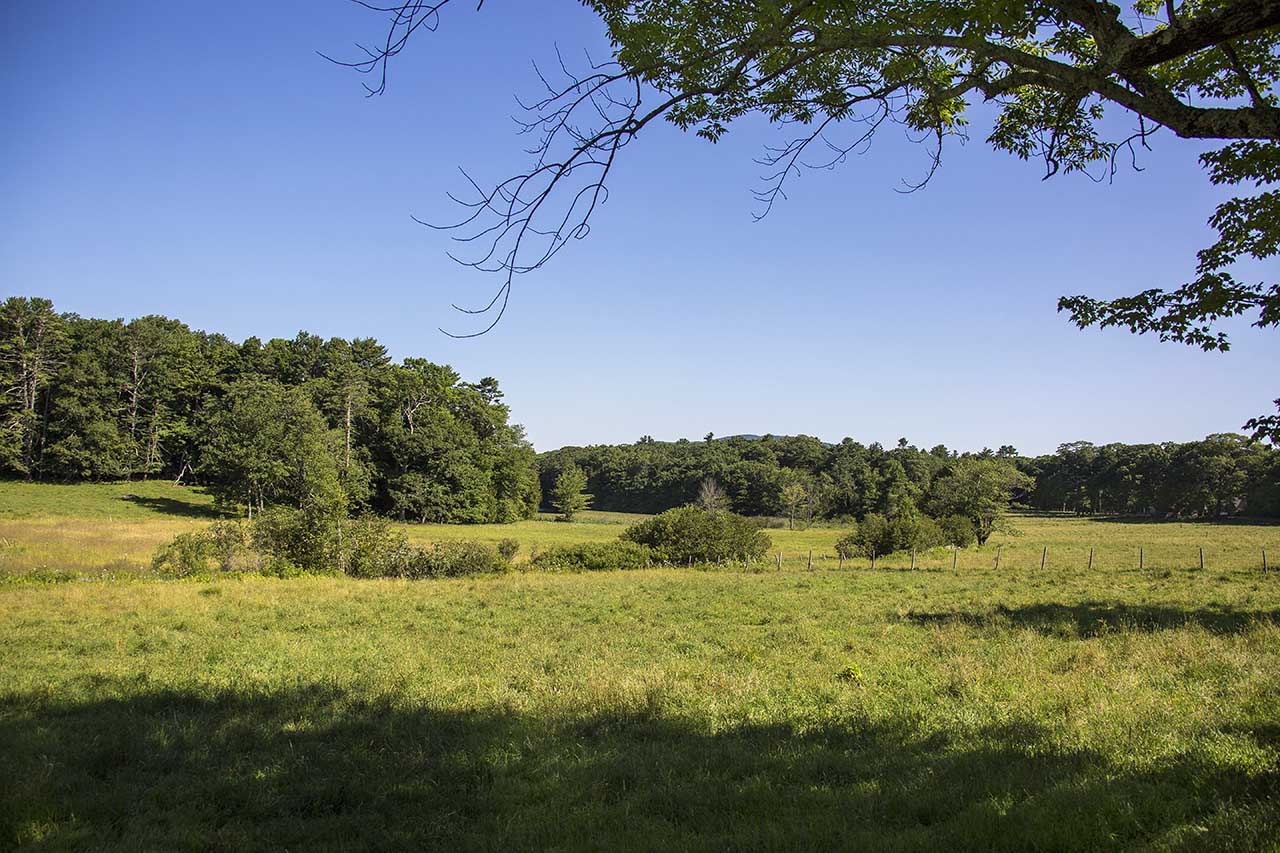 Forests, meadows, farmland. I was surprised at the rich ruralness along the coast. Between Rockport and Camden there were very few homes. Every so often, I could catch a glimpse of the water through the trees. But mostly, just the trees, thick and green, dripping with moss.
After about an hour of walking, I started to wonder if I was on the right road. Then suddenly, I could see it, through the trees, Camden harbor, unmistakably beautiful.

Clear blue water dotted with bobbing sailboats, lush green trees rising to meet the blue sky.
I wax poetic.
In all fairness, I was pretty thirsty by this time and may have been slightly delirious. I didn’t bring a water bottle with me and I had been walking for a few hours.
So, after buying a water bottle in a local pharmacy, I took a few pictures and set off back to Rockport and my journey home.
Would I do it again? In a heartbeat. However, next time I will bring plenty of bug repellant. The mosquitoes enjoyed me a lot more than I enjoyed them. Be that as it may, Rockport and Camden, Maine, are picturesquely quaint, in the summer. Not in the winter. I spent a winter in Maine, once. I can barely speak of it…even now…But that’s another story…


I’d been in Rockport for a week and hadn’t seen much of anything, outside of the Maine Media Workshop campus. The workshop was over and I was going home. I wanted to see the harbor. I’d heard about it, for years. Rockport Harbor was sort of the icon for New England coastal beauty. I’d heard it said, “Can’t get there from here” (spoken with a heavy Maine accent), but I didn’t believe it. So, I got up early on my last day and walked down east to the harbor. I’m glad I did. I shouldn’t have waited so long. I will go back, hopefully by boat, by sailboat.




 They're Calling To Me